Speaking and workshops
what a journalist knows about becoming memorable.
I've spent ten years as a journalist (Forbes, Vogue, The Sunday Times), deciding which stories are worth people's time and which ones get forgotten by lunch. Add in a novel on the go and an actor's training, and I've got a fairly good handle on why some people, brands and ideas stick.
My talks and workshops hand all of that over to your audience or your team. Lots of value, zero waffle and every session gets shaped around the people in the room.
(all of it made to measure)
where i've spoken and taught...
what they said afterwards...
Thanks so much. That was terrific and I am very confident we can build on that. You struck a great tone and balance between the principles involved and action-oriented tactics to yield results.
You are such a great public speaker and everything you spoke about was so clear and well received by everyone in the room.
Your workshop was a hit.
see for yourself
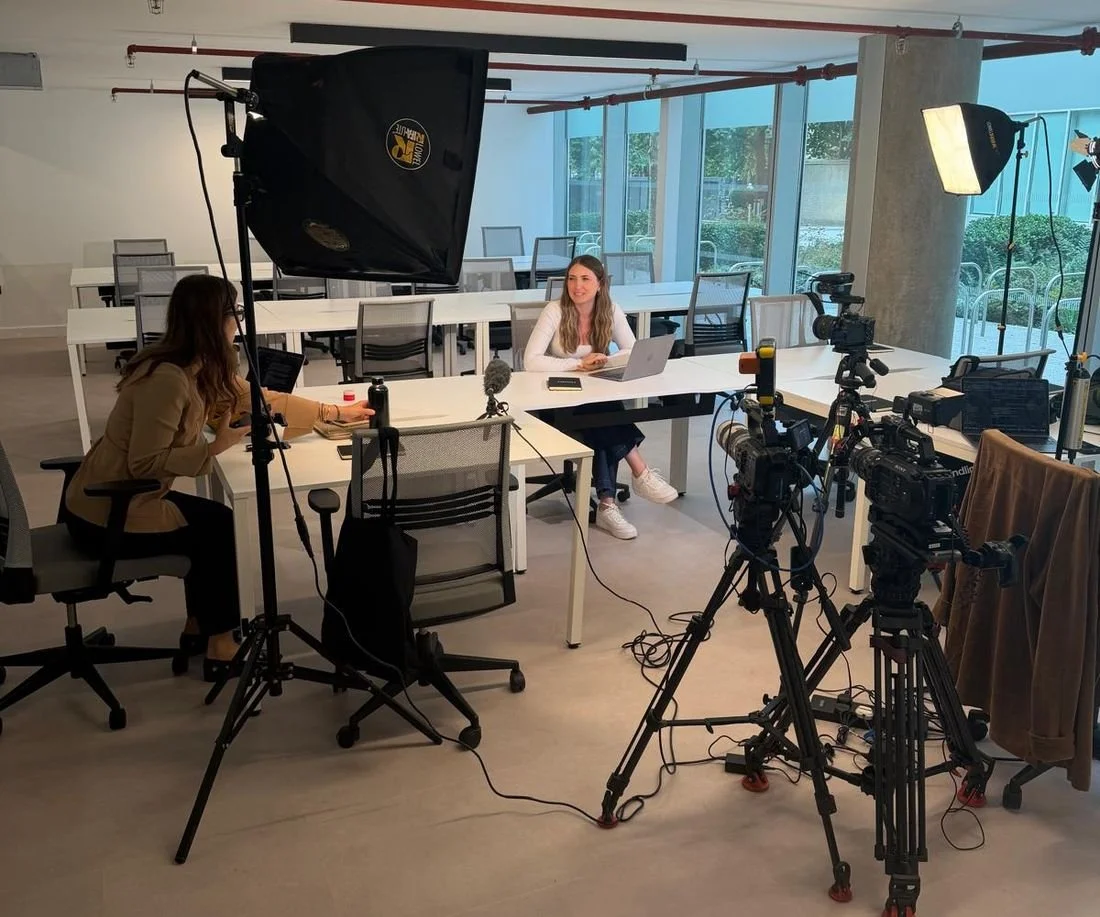
here's what it looks like in the room
[One line on the clip: which talk, where and when]
talks
(for events, conferences and away days)
Three talks, each one about something I know better than most people in the room. They all work as a 30 to 45 minute keynote, a 20 minute slot on a bigger bill or a fireside chat, and I tweak every one for whoever's listening.
01
Earned, Not Bought
Why press is the most trusted marketing left, and how to get it.
They'll leave knowing
- What journalists actually look for when they decide something is a story, and how to spot it in ordinary work
- How to keep a story bank, so there's always something worth pitching
- What makes a journalist reply (and what gets deleted in the first line)
Best for
Founder events, marketing and creator conferences, women's business networks.
02
The Main Character Effect
The story mechanics behind the people and brands we can't stop watching.
They'll leave knowing
- The four things that make an audience root for someone, and the one most brands leave out
- Where they are in their own story right now
- How to be open enough to be interesting without oversharing
Comes in three versions
Brand (for marketing and founder events), leadership (for offsites and teams going through change) and career (made for International Women's Day).
03
Human Signal
How to write things people actually read when AI writes everything else.
They'll leave knowing
- Why AI writing gets skimmed, and the giveaways that make people stop trusting it
- The newsroom habits that get any email, post or report read to the end
- How to let AI do the first draft and still sound like yourself in the last one
Best for
Comms and marketing conferences, leadership events and any company drowning in emails nobody reads.
make it a bigger booking
Bolt any of these onto a talk, so your event gets more out of the day.
Story clinics
Ten minute one to ones straight after the talk. People bring their business and leave with one press angle.
A breakout workshop
A 60 to 90 minute hands on session from the workshop menu, for events with a masterclass slot.
Fireside or Q&A
A hosted conversation after the talk, which fills a second slot without booking another speaker.
Filming rights
You keep the recording for your team or your own channels.
Also on the menu: The First 100 Days as a talk for leadership and HR events, and fireside chats or panels about my own route through journalism and into building Pressflow.
workshops
(for teams who'd rather do than listen)
Five workshops, each one fixing a different problem. A third of the time I'm teaching and the rest your team is doing, using your own material, so everyone goes back to their desk with something they can use straight away.
Workshops run through Pressflow, the company I cofounded, and I lead them.
01
Find the Story
What in your expertise is worth telling, to the press and on your own channels.
For leaders, experts or comms teams
The problem
Brilliant expertise inside the business that nobody outside ever hears about.
In the room
Interviewing each other like journalists, running every idea through the newsroom filter, then drafting one post and one pitch.
What you keep
A bank of story angles, each sorted by where it belongs and who signs it off.
02
Media Ready
Turning your experts into people journalists want to quote.
For spokespeople
The problem
Experts who freeze, ramble or wander off message when a journalist calls.
In the room
How journalists work, mock interviews in the hot seat (awkward question included) and writing quotes that get printed.
What you keep
Confident spokespeople and a clear process for handling the press.
03
Write Like a Journalist
Newsroom habits for business writing people actually finish.
For anyone who writes at work
The problem
Company writing nobody reads to the end, made longer and samier by AI drafts.
In the room
A live red pen on a real email, cutting 200 words to 100 and turning an AI draft into something that sounds like you.
What you keep
Five house writing rules, agreed in the room.
04
The Story Behind the Strategy
Using story to take people with you through change.
For managers and senior leaders
The problem
Big changes announced with forty slides to a room that switched off at slide three.
In the room
Mapping the change as a plot, surviving the “so what?” test and practising the two minute version out loud.
What you keep
Each leader's change story, practised and ready to tell.
05
The First 100 Days
How new leaders set their story before it gets set for them.
For new leaders, one to one or in small groups
The problem
A new leader's reputation gets decided before they've had the chance to do anything.
In the room
The arrival story, what each audience needs to hear first, and the first announcement, all hands and post, drafted together.
What you keep
A 100 day story and visibility plan, agreed with comms.
Every workshop comes in three sizes
90 minutes, online
Quick, focused and easy to fit into a busy week.
Half day
The main event. In person or online, for up to 20 people.
Full day or a series
Two workshops back to back, or one spread over a few weeks.
(find the story and media ready make a brilliant full day together)
heads of comms, this bit's for you
working with companies
your brand stays safe
Before any session I agree the scope with your comms or brand team, and I work from your brand voice, your approval process and your social media policy.
Nobody leaves my workshops and goes rogue. Anything press related gets routed through your comms team, never around it, so they end up with more good material and zero extra headaches.
how a booking goes
- 1A quick call. Twenty to thirty minutes where you tell me what you need, who'll be there and when.
- 2A short proposal. Within a couple of days, with options, so it's easy to get signed off.
- 3The prep. A call with your team and a short questionnaire for attendees, so the session feels made for them (because it is).
- 4The day, then the follow up. A one page summary of everything your team made, sent within a week.
the practical bits
(saves us three emails)
Can you tailor it?
Always. Every talk and workshop gets shaped around your audience, your goals and your brand.
How long are the sessions?
Talks run from a 20 minute slot to a 45 minute keynote. Workshops go from 90 minutes to a full day.
Do you do online?
Yes. Every workshop works online, and so do the talks.
Will you travel?
[Your answer: London based, and happy to travel for the right room?]
How far ahead should we book?
[Your answer: how many weeks you need for a workshop]
What does it cost?
It depends on the format and the size of the group, so drop me a line with the details and I'll come back with options.
mix and match...
none of this is set in stone
A talk with a workshop straight after. A 90 minute online version for a team spread across offices. Something built from scratch for your away day. Tell me who's in the room and what you want them walking out with, and I'll shape it around that.
Tell me about your eventor email hello@biancabarratt.com